

What Cyclists Need to Know About Shared Fault in Accidents
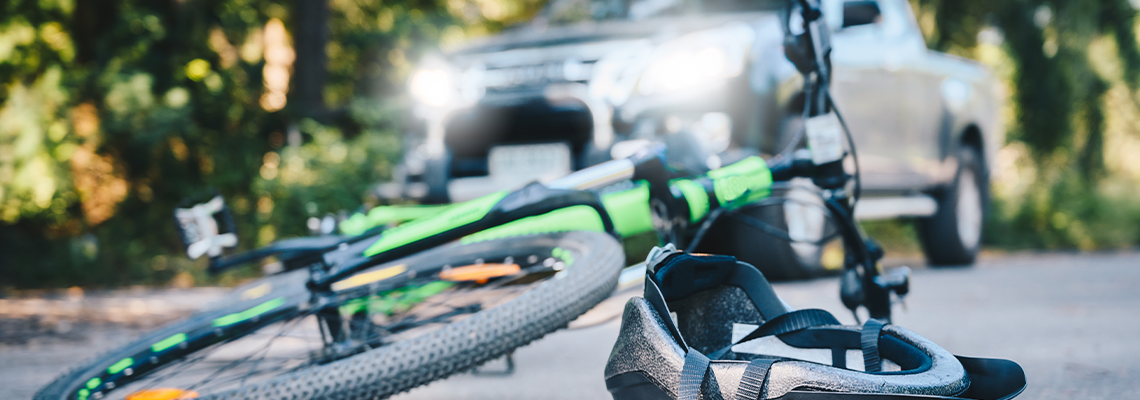
Cycling is a popular mode of transportation and recreation, but it comes with its own set of risks on busy roads. When accidents occur, determining liability can be complicated, especially when more than one party may share responsibility. This is where understanding shared fault becomes critical.
Shared fault, also known as comparative negligence, determines how damages are allocated when both the cyclist and another party contribute to the accident. The attorneys at Slechter Law Firm Attorneys at Law, in Louisville, Kentucky, can provide crucial guidance. They can assess the circumstances and help cyclists understand how shared fault could impact any claim.
Shared Fault in Bicycle Accidents
Shared fault occurs when more than one party is deemed responsible for an accident. Unlike a system where one person is entirely at fault, shared fault assigns a percentage of liability to each party involved. This percentage then influences how compensation is awarded.
For cyclists, shared fault might arise in several common situations:
Running a red light: If a cyclist goes through a red light and collides with a car that was speeding, both parties may share fault.
Ignoring traffic signs: Accidents may involve a cyclist who failed to yield or a driver who ignored a stop sign.
Road conditions: Poorly maintained roads can contribute to accidents, potentially involving city or municipal liability alongside the driver or cyclist.
Understanding shared fault is essential because it directly affects the amount of damages a cyclist can recover. If a cyclist is found 20% at fault for a crash, any compensation might be reduced by that same percentage.
How Shared Fault Is Determined
To determine shared fault, a legal team will carefully review all evidence and the circumstances of the accident. Several factors can influence the outcome, including traffic laws, witness statements, and official reports.
Traffic laws are a primary consideration. Any violation by either the cyclist or the driver can directly impact how fault is allocated. Eyewitness accounts are also crucial, as statements from people who saw the crash can clarify how the accident occurred and who was responsible.
Police reports provide documented observations and sometimes assign preliminary fault, making them a key piece of evidence. Similarly, photographs and video evidence from the scene can highlight contributing factors like road conditions, weather, or visibility issues that may have played a role.
Medical reports can also be used to understand the severity of the crash and help establish which party caused the impact based on the nature of the injuries. Finally, expert testimony from accident reconstruction specialists can offer a scientific analysis of the crash dynamics, further clarifying fault.
Lawyers at firms like Slechter Law Firm Attorneys at Law will review all this evidence to build a strong case and advise cyclists on how shared fault principles may apply to their specific situation. They will also guide clients through the legal process with the goal of protecting their rights.
Common Scenarios Where Cyclists May Share Fault
Recognizing situations where a cyclist may share fault helps in understanding potential reductions in compensation. Some common scenarios include:
Cyclist failing to use lights or reflectors: Accidents during low visibility conditions may assign partial fault to a cyclist who wasn't visible.
Distracted cycling: Using a phone or wearing headphones can make a cyclist partially responsible for a crash.
Improper lane usage: Riding against traffic or weaving through cars may contribute to shared fault determinations.
Aggressive cycling behavior: Attempting risky maneuvers or ignoring safety signals may reduce recoverable damages.
These scenarios illustrate how liability isn't always clear-cut. Each case is unique, and shared fault can vary significantly depending on the specifics.
Comparative Negligence Laws
Comparative negligence laws govern how shared fault affects compensation in bicycle accidents. There are two main types of comparative negligence:
Pure comparative negligence: In this system, a cyclist can recover damages even if they’re mostly at fault. Compensation is simply reduced by their percentage of fault.
Modified comparative negligence: Most states follow this rule, which limits recovery if a cyclist is found more than a certain percentage at fault, usually 50%.
For example, if a cyclist is 30% at fault in a crash that results in $10,000 in damages, under pure comparative negligence, they would still recover $7,000. In a modified system with a 50% threshold, the same recovery applies, but if the fault exceeds 50%, they may recover nothing. Understanding how these laws apply locally is critical for anyone involved in an accident.
How Insurance Companies Handle Shared Fault
Insurance companies play a major role in shared fault claims, and their approach can sometimes be challenging for cyclists. Common practices include:
Adjusting claims based on fault: Insurers may reduce payouts according to the cyclist’s percentage of fault.
Negotiation and settlement: Some cases are resolved through negotiation rather than litigation, which may involve disputes over the degree of fault.
Denial of claims: If a cyclist is found largely responsible, insurers may deny a claim entirely under a modified comparative negligence rule.
Working with a law firm can help cyclists present evidence that accurately reflects the accident and supports fair compensation. Insurers are required to consider all relevant factors, including witness statements and accident reports.
Steps Cyclists Should Take After an Accident
Prompt action after a crash can protect a cyclist's rights and improve the chances of a favorable outcome. Important steps include seeking medical attention, documenting the scene, reporting to authorities, contacting a law firm, and notifying your insurance company. Each step helps build a clearer picture of the accident and can affect shared fault determinations and the recovery process.
Factors That Can Reduce a Cyclist’s Compensation
Certain actions or behaviors can impact the amount of damages a cyclist can recover after an accident. Understanding these factors is crucial for taking responsible steps and strengthening a claim.
Failure to wear a helmet can influence the outcome. While helmets reduce the severity of injuries, some states may consider not wearing one as a factor when determining fault.
Ignoring traffic signals or rules is another common issue. Cyclists who violate traffic laws may have a portion of the fault assigned to them, reducing their ability to recover damages.
Cycling under the influence of alcohol or drugs can significantly limit recoverable damages. Impairment can weaken a cyclist's claim and place more responsibility on them for the accident.
Not reporting injuries promptly can also complicate a claim. Delayed medical attention may make it harder to prove the severity of injuries, potentially reducing compensation.
By being aware of these considerations, cyclists can better protect themselves and their claims following an accident. Taking proactive steps can make a significant difference in coming to a fair resolution.
Litigation and Shared Fault
If a fair settlement can’t be reached, cyclists may need to pursue litigation. In court, shared fault can have significant consequences:
Jury decisions: Juries evaluate evidence and assign fault percentages based on the facts presented.
Impact on damages: The final award is adjusted according to the assigned percentages of responsibility.
Cross-claims: Multiple parties involved may file cross-claims, complicating proceedings.
Litigation can be lengthy and challenging, which is why consulting with a law firm experienced in bicycle accident cases is valuable. Lawyers can present evidence effectively and advocate for a fair allocation of fault.
Special Considerations for Multi-Vehicle Accidents
Bicycle accidents often involve multiple vehicles, and shared fault becomes even more complicated in these scenarios. Factors that may affect liability include:
Driver behavior: Each driver’s actions must be assessed, including speeding, distracted driving, or failure to yield.
Road design issues: Poor signage or road defects can contribute to accidents, potentially assigning partial fault to municipal authorities.
Cyclist behavior: Even minor infractions by a cyclist may be factored into fault determination.
Understanding these dynamics helps cyclists anticipate potential challenges and prepare for negotiations or litigation. It also empowers them to make informed decisions for their safety and legal rights.
Preventive Measures for Cyclists
While accidents can’t always be avoided, cyclists can take steps to reduce the likelihood of being assigned shared fault. Take these steps:
Follow traffic laws: Obey signals, stop signs, and lane rules consistently.
Use proper safety equipment: Helmets, reflective clothing, and lights increase visibility.
Stay alert: Avoid distractions like phones or headphones while riding.
Ride predictably: Signal turns and maintain a straight path whenever possible.
Maintain your bicycle: Proper brakes, tires, and lights can prevent accidents caused by mechanical failure.
Taking these precautions not only reduces the risk of accidents but can also strengthen a cyclist’s position if a crash occurs. By demonstrating responsible riding habits, you can help minimize any fault attributed to you in a personal injury claim.
Contact a Lawyer Today
Cyclists involved in accidents should act promptly to protect their rights and understand how shared fault may affect their claims. Slechter Law Firm Attorneys at Law offers guidance and representation to cyclists in Louisville, Kentucky, and throughout the state, including Lexington.
Contact the firm today to discuss your case, review your evidence, and get support to pursue the compensation you deserve. The attorney duo is ready to assist.