

What Evidence Is Most Important in Proving Fault in Car Accident Cases?
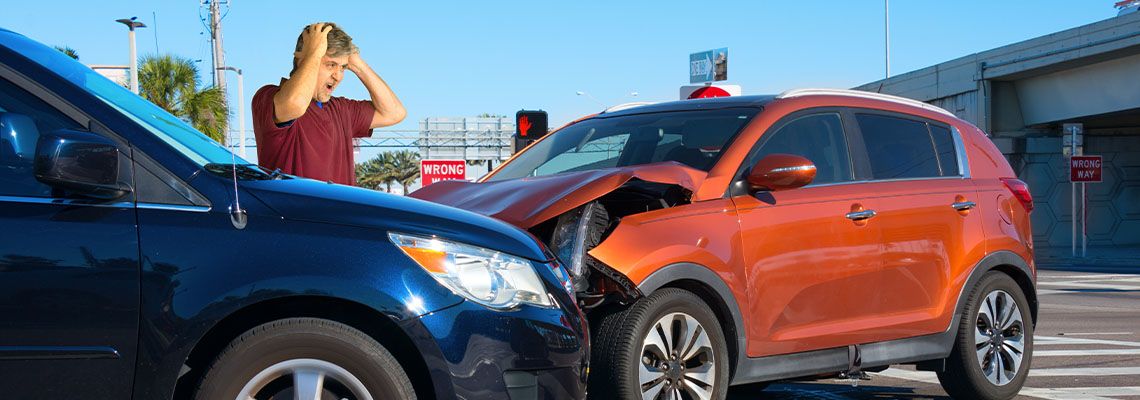
Car accidents can change your day, and sometimes your life, in a matter of seconds. In the aftermath, you may feel overwhelmed by injuries, vehicle damage, insurance claims, and questions about who was responsible.
Many people struggle with how to move forward while dealing with physical pain and financial concerns. When fault is disputed, the situation can feel even more stressful.
Proving fault in a crash often comes down to evidence. Insurance companies, courts, and attorneys rely on documentation, witness accounts, and physical details to piece together what happened. Without strong supporting information, it can be difficult to demonstrate how another driver caused the collision.
Slechter Law Firm Attorneys at Law in Louisville, Kentucky, helps individuals review accident details and pursue accountability after a crash. The firm works with clients to gather information that supports their claims and clarifies liability.
Slechter Law Firm Attorneys at Law serves clients in Louisville, Kentucky, and throughout the state, including Lexington. If you’ve been involved in a crash and have questions about your options, call today to discuss your situation.
Police Reports and Official Documentation
One of the most valuable forms of evidence after a crash is the police report. When officers respond to an accident scene, they document key details about what happened. These reports often include the officer’s observations, statements from drivers and witnesses, and diagrams that illustrate how the accident occurred.
Police reports can be useful because they provide an impartial account of the incident. Insurance companies and attorneys often review these reports early in the claims process to determine whether citations were issued or if one driver appeared to violate traffic laws.
For example, if a report notes that one driver ran a red light or was speeding, that information might support a claim that the driver caused the collision. A car accident attorney will also use police reports to compare official findings with other forms of evidence.
An experienced lawyer can review these documents carefully and determine whether additional evidence is needed to support the claim. While a police report alone may not settle a dispute about fault, it often plays a major role in establishing the basic facts of the case.
Photographs and Physical Evidence From the Scene
Visual evidence captured at the accident scene can reveal important details about how a crash occurred. Photos and physical conditions often tell a story that written reports alone cannot fully capture.
After an accident, documenting the scene helps preserve evidence before vehicles are moved or road conditions change. Even small details can become meaningful when determining fault.
Some types of visual evidence that can support a claim include:
Vehicle damage: Photos showing dents, broken glass, or crumpled panels help indicate the direction and force of impact.
Road conditions: Images of skid marks, debris, traffic signals, or road signs can show how the accident developed.
Traffic control devices: Photos of stop signs, red lights, or yield signs help determine whether a driver failed to follow traffic rules.
Weather conditions: Photos capturing rain, fog, or icy roads explain environmental factors related to the crash.
Position of vehicles: Images taken immediately after the collision show where the vehicles ended up.
These images will later be used by insurance companies, investigators, or a car accident attorney to reconstruct the events leading to the crash. When combined with other evidence, visual documentation can strengthen the overall narrative of the accident.
Taking photos as soon as it is safe to do so can help preserve valuable details. If injuries prevent you from gathering evidence at the scene, witnesses or law enforcement officers will still document important visual information.
Witness Statements and Independent Observations
Witness testimony often plays a significant role in proving fault after a collision. People who saw the accident happen can provide information that neither driver can offer.
Independent witnesses might notice details that drivers involved in the crash might miss. For example, a nearby pedestrian might observe a driver using a phone just before impact, or another motorist may see a vehicle drift across lanes.
Statements from witnesses can help clarify issues such as:
Driver behavior before the crash: Witnesses can report speeding, distracted driving, or reckless maneuvers.
Traffic signal compliance: Observers confirm whether a driver ran a red light or failed to yield.
Sequence of events: Witnesses describe how the accident unfolded and which vehicle struck the other first.
Road positioning: They note whether a driver stayed in the correct lane or crossed into oncoming traffic.
Insurance companies sometimes give significant weight to neutral witnesses because they have no financial interest in the outcome of the claim. Their testimony supports a driver’s account when liability is disputed.
A car accident attorney contacts witnesses to obtain written statements or recorded interviews. These accounts will be useful later if the case proceeds to negotiations or court.
Medical Records and Additional Evidence That Support a Claim
Medical records also help prove fault in a car accident case. While they primarily document injuries and treatment, they also directly link those injuries to the crash.
Doctors often record how an injury occurred when evaluating a patient. If medical notes state that injuries resulted from a specific collision, that documentation supports the timeline of events.
Medical documentation includes:
Emergency room reports: Initial evaluations describing injuries immediately after the crash.
Diagnostic imaging: X-rays, MRIs, or CT scans showing fractures or internal injuries.
Physician treatment notes: Records describing symptoms, treatment plans, and recovery progress.
Physical therapy reports: Documentation showing how injuries affect mobility or daily activities.
Medical bills and records: Financial documentation linking treatment to the accident.
Beyond medical documentation, other forms of evidence help strengthen a claim. These include traffic camera footage, dashcam recordings, vehicle data recorders that track speed or braking, and cell phone records that indicate possible distracted driving. When multiple forms of evidence point to the same sequence of events, they can help clarify responsibility for the crash.
An experienced car accident attorney gathers and reviews these materials while building a claim. By analyzing records, witness statements, and physical evidence together, an experienced lawyer identifies patterns that demonstrate fault.
Speak With a Car Accident Attorney Today
Car accidents often leave people dealing with injuries, financial concerns, and uncertainty about their next steps. Determining who was responsible can require reviewing many forms of evidence, including police reports, photographs, witness statements, and medical records.
Working with a car accident attorney helps you evaluate the details of your accident and determine what evidence supports your claim. Slechter Law Firm Attorneys at Law assists individuals who need guidance after a crash and helps them gather information that can strengthen their cases.
Slechter Law Firm Attorneys at Law serves clients in Louisville, Kentucky, and throughout the state, including Lexington. Reach out today to discuss your situation and learn about your legal options.